


Heart disease is one of the leading health concerns worldwide, and for many people it often feels like it strikes suddenly. However, the body usually gives warning signals well before a serious condition develops. Recognizing these signs early not only helps protect your own health but may also save the lives of those around you.
If you or someone you know notices any of the following symptoms, do not dismiss them. Instead, consult a doctor immediately to investigate further. Ignoring these signals could be dangerous.
Persistent Fatigue
Fatigue is a feeling of constant tiredness, weakness, or lack of energy. While it is normal to feel drained after a busy or stressful day, unexplained fatigue that lingers may point to heart issues.
When the heart is unable to pump enough blood effectively, the body does not get the oxygen it needs. This can lead to chronic exhaustion, difficulty performing everyday tasks, and even excessive sleep. If fatigue continues for long periods without an obvious cause, medical evaluation is essential, as it may be linked to heart failure or another underlying illness.

Fainting or Loss of Consciousness
Occasional fainting may be caused by dehydration, overexertion, or even stress. However, repeated or unexplained episodes of unconsciousness can indicate a heart condition.
A sudden drop in blood pressure or reduced oxygen supply to the brain—often connected to irregular heart rhythms such as tachycardia (fast heartbeat) or bradycardia (slow heartbeat)—can cause fainting. If you or someone close experiences frequent blackouts, it’s a strong warning to seek medical advice.

Rapid or Unexplained Weight Gain
A sudden increase in body weight is not always linked to overeating. Fluid retention due to heart problems can cause bloating, swelling, and quick weight gain. This condition, known as edema, is commonly associated with heart failure.
Monitoring body weight regularly is important. Any drastic or unexplained change should be discussed with a doctor, as it can signal complications beyond just lifestyle factors.

Digestive Issues: Nausea and Loss of Appetite
Many people overlook indigestion, nausea, or sudden loss of appetite, assuming they are caused by stomach-related issues. In reality, these can sometimes be signs of heart failure. When the digestive system receives less blood supply, bloating and discomfort occur.
Although such symptoms may appear harmless, if they arise suddenly and persist, it is best to consult a doctor for clarification.

Irregular Heartbeat
A racing or fluttering heartbeat can be triggered by stress, caffeine, or excitement. However, if your heart regularly skips beats or feels irregular, it could point to an arrhythmia.
Arrhythmias disrupt normal blood circulation and can increase the risk of stroke. Early detection and treatment are crucial to restore proper heart function.

A Persistent, Unexplained Cough
A long-lasting cough without any clear cause may also be linked to heart problems. When the heart struggles to pump efficiently, blood can back up into the lungs, leading to fluid buildup and coughing.
If the mucus is pink or white, this could indicate fluid in the lungs due to heart failure. Such a cough is often worse at night or when lying down.

Cold Sweats Without Exertion
Sweating is usually a normal response to heat or physical activity. However, if you break into a cold sweat without any obvious reason, your body may be signaling heart trouble.
This can happen when narrowed arteries force the heart to pump harder, placing strain on the body. If cold sweats appear with other symptoms like chest pain or dizziness, urgent medical help is needed.

Dizziness and Lightheadedness
Occasional dizziness is common, often linked to dehydration or low blood sugar. But when dizziness appears without explanation, it can indicate reduced blood flow to the brain due to heart disease.
Frequent unexplained dizziness should never be ignored, as it may precede more serious cardiovascular issues.

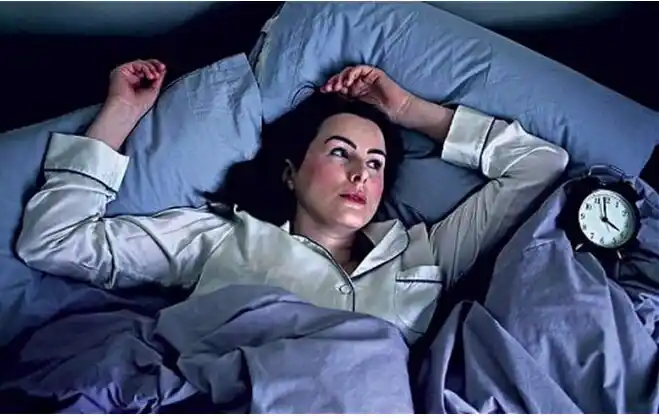
Sleep Disturbances
Insomnia or waking frequently during the night may be connected to heart disease. Difficulty sleeping, especially when accompanied by shortness of breath, chest discomfort, or rapid palpitations, should be taken seriously.
Sleep disorders are often overlooked but can be important warning signs of an underlying cardiac condition.
Gum Problems and Oral Health
Bleeding or inflamed gums might not only indicate dental issues but also poor heart health. Bacteria in the mouth can enter the bloodstream and cause inflammation, increasing the risk of clots and cardiovascular disease.
Maintaining oral hygiene is vital, but recurring gum issues should prompt a heart health checkup.

Loud Snoring and Sleep Apnea
Snoring is common, but if it is accompanied by pauses in breathing (sleep apnea), it can strain the heart. This condition reduces oxygen levels during sleep and increases the risk of hypertension, stroke, and heart failure.
If you or your partner notice irregular breathing patterns at night, medical treatment is highly recommended.

Pain in Chest, Arms, or Upper Body
Unexplained pain in the chest, shoulders, arms, back, or even jaw can signal an impending heart attack. While the pain often starts in the chest and spreads outward, it does not always follow a predictable pattern.
Any unusual upper body pain should be treated as an urgent warning and evaluated by a healthcare professional.

Shortness of Breath
If you find yourself gasping for air after mild exertion—or even at rest—it could be a sign of heart disease. Insufficient blood circulation affects the lungs, causing difficulty in breathing.
Persistent breathlessness should never be ignored, especially if combined with fatigue or chest pain.
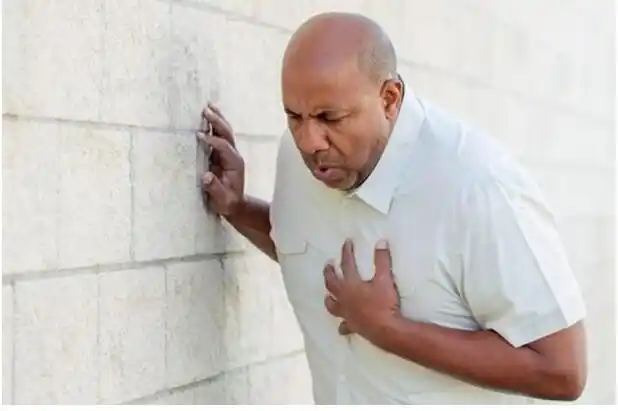
Chest Pain and Discomfort
Chest pain is the most well-known symptom of heart problems. It can feel like tightness, pressure, burning, or heaviness in the chest. If severe and sudden, it may indicate a heart attack.
This is a life-threatening emergency—immediate medical assistance is critical.
Cramps in Legs, Thighs, or Buttocks
Not all leg cramps are caused by dehydration or mineral deficiency. Sometimes, they signal poor circulation due to arterial blockages. Peripheral artery disease (PAD) can cause pain while walking, especially in the thighs and calves.
Prompt diagnosis is necessary to prevent worsening complications.

Unusual Hair Loss on Legs
A lack of hair growth on the legs may indicate circulatory problems. Blocked arteries reduce blood flow, leading to smooth, shiny skin with reduced hair.
This symptom is often overlooked but can reveal serious vascular issues linked to heart disease.

Coughing Up Mucus With Blood
Coughing up pink, frothy, or bloody mucus may be related to fluid accumulation in the lungs caused by heart failure.
This symptom should be investigated immediately by a doctor, as it may signal serious cardiovascular problems.

Frequent Nighttime Urination
Needing to urinate often at night (nocturia) can be linked to heart failure, as poor circulation affects kidney function.
If this occurs frequently despite reduced fluid intake in the evening, it should be checked medically.

Erectile Dysfunction
Erectile dysfunction can result from several causes, but it may also be an early warning of blocked arteries and poor blood circulation. Since proper blood flow is necessary for an erection, persistent issues should prompt heart health screening.

Confusion and Memory Problems
Difficulty concentrating, forgetfulness, or confusion may result from poor blood circulation to the brain due to heart failure. Changes in sodium levels or blood chemistry can also contribute.
If cognitive problems appear suddenly or alongside other heart-related symptoms, immediate consultation is needed.

Panic Attack–Like Symptoms
Panic attacks—marked by anxiety, chest tightness, palpitations, dizziness, and sweating—are often mistaken for heart attacks. While sometimes psychological, they may also mask serious cardiovascular issues.
It’s important to get these symptoms evaluated to rule out heart disease.

Final Thoughts
Heart disease does not usually strike without warning. The body provides many early signs—from fatigue and shortness of breath to chest pain and irregular heartbeat. Recognizing these symptoms and taking them seriously can be lifesaving.
If you notice any of these warning signs in yourself or others, do not delay seeking medical advice. Early detection and timely treatment are key to preventing severe complications such as heart attacks, strokes, and heart failure.
Tags:
Subscribe To Get Update Latest Blog Post
No Credit Card Required
You May Also Like


Pakistan Rang is a leading Digital Media Publisher delivering cutting-edge content across news, entertainment, education, healthcare, lifestyle, Sports, and technology. Our platform engages millions with timely stories and insightful analysis. Committed to quality journalism and innovation, we connect audiences with the information they need and the stories that inspire and inform.


